PIP rates 2026–27

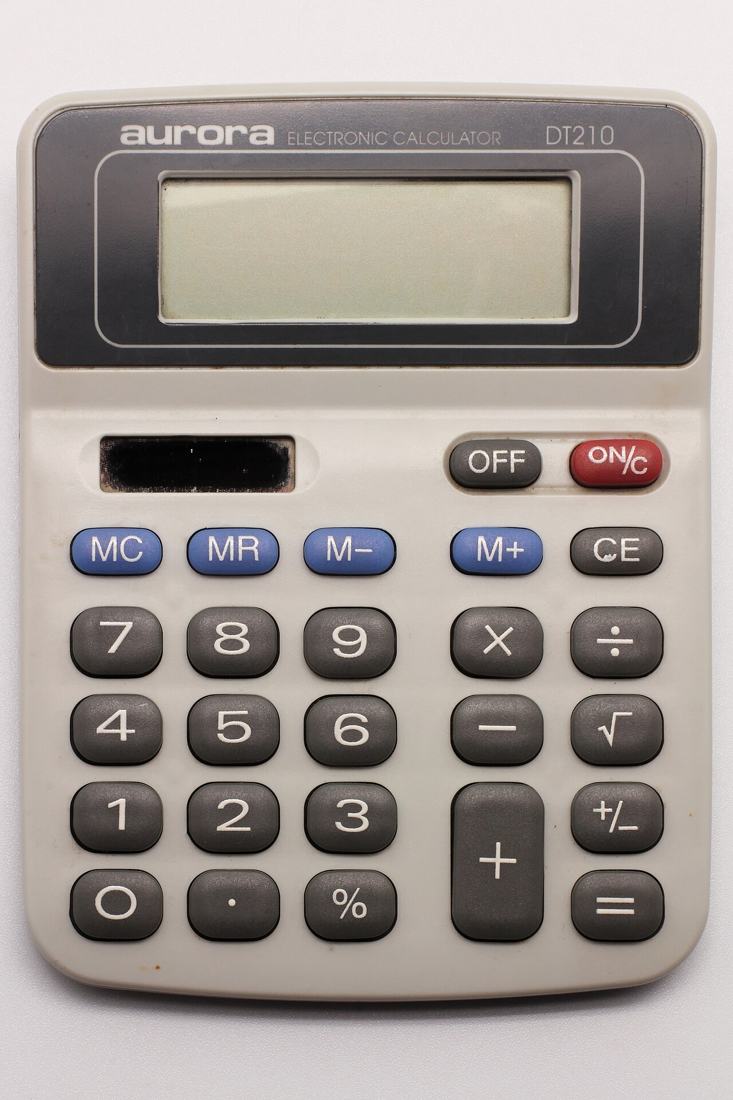
PIP is paid weekly and every four weeks. The table below gives the 2026–27 rates, in force from 6 April 2026 (a 3.8% uprating on the previous year). The four-weekly figure is simply the weekly rate multiplied by four, and the annual figure is the weekly rate multiplied by 52. Both are shown because GOV.UK itself quotes weekly and four-weekly amounts.
| Component and rate | Per week | Every 4 weeks | Per year |
|---|---|---|---|
| Daily living — standard | £76.70 | £306.80 | £3,988.40 |
| Daily living — enhanced | £114.60 | £458.40 | £5,959.20 |
| Mobility — standard | £30.30 | £121.20 | £1,575.60 |
| Mobility — enhanced | £80.00 | £320.00 | £4,160.00 |
| Maximum combined (both enhanced) | £194.60 | £778.40 | £10,119.20 |
Last year for comparison (2025–26)
| Component and rate | Per week |
|---|---|
| Daily living — standard | £73.90 |
| Daily living — enhanced | £110.40 |
| Mobility — standard | £29.20 |
| Mobility — enhanced | £77.05 |
| Maximum combined (both enhanced) | £187.45 |
Last year's figures appear only for comparison. They are not the rates in force, and they should not be used to estimate a current award.
How PIP is paid
PIP is paid every 4 weeks into a bank, building society or credit union account — 13 payments over 52 weeks. If a payment date falls on a bank holiday, the payment usually arrives early, on the last working day before it. PIP is tax-free, and it does not reduce because you earn or save: there is no means test at all.
Sources
Official sources for the figures on this page: GOV.UK — Personal Independence Payment; nidirect — Personal Independence Payment (Northern Ireland); DWP — Annual Benefits Statistics Compendium 2026.